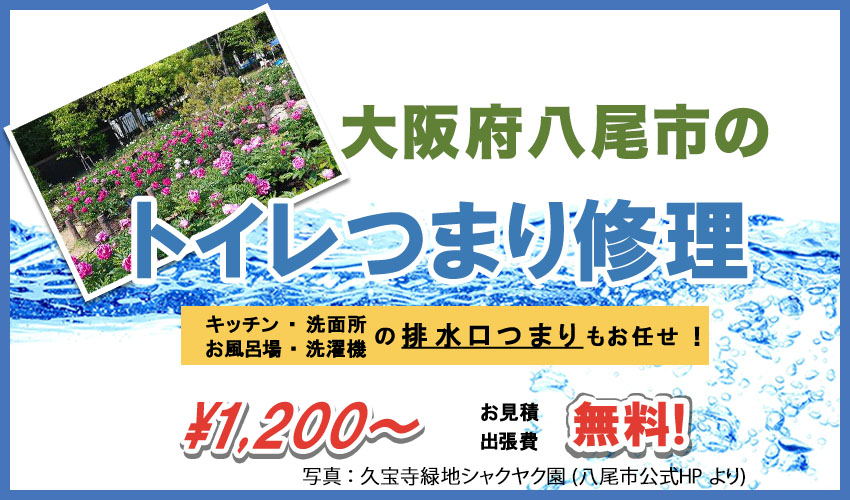
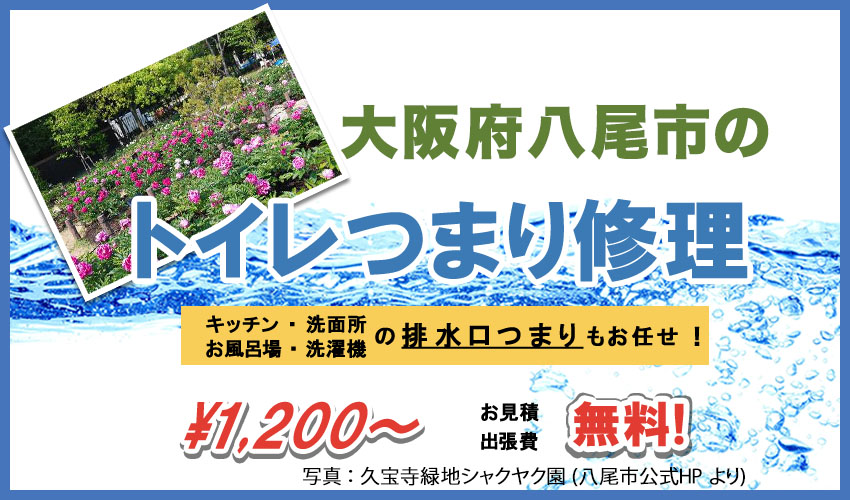
大阪府八尾市のトイレつまり修理は八尾市近くの水道屋さん、近畿水道サポートセンターへお任せください!緊急時でも即日工事!最短30分で作業スタッフが駆けつけます!
トイレ以外のキッチン(台所)のシンク、洗面所やお風呂場の排水口、洗濯機など、家中のつまりトラブルを安心価格で解決します。今なら「ホームページを見た!」で基本料金の¥3,000が無料に。八尾市内は年中無休で対応中ですので、口コミ・評判でも人気の当店にぜひお任せください!
つまりの場所(トイレ、キッチン、洗面所、お風呂場)はどこですか?
トイレのつまり
キッチンのつまり
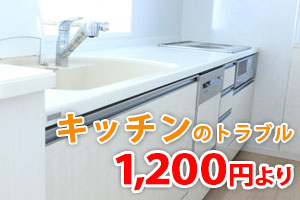
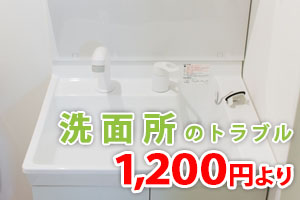
洗面所のつまり
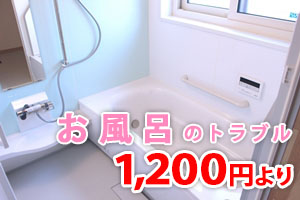
浴室(お風呂)のつまり
その他、大阪府八尾市にお住まいでつまりや水まわり設備のトラブルにお困りでしたら、お気軽にフリーダイヤルまでご相談ください。ご相談・作業料金のお見積は無料です。
出張料金が無料の八尾市エリア
八尾市は大阪府の中央から東部寄りに位置し奈良県の県境と山をはさんだ所にあります。鉄道は近鉄大阪線とJR大和路線に八尾駅があります。心合地山古墳は全長160mあり中河内最大の前方後円墳です。大阪平野を一望できる高安山へはケーブルカーで行けます。河内音頭のふるさと常光寺は河内音頭発祥の地です。東部に流れている玉串川の5kmに及ぶ桜並木が有名です。八尾空港は遊覧飛行や災害時などに使われます。収穫量の多い八尾枝豆は粒が大きくて実がしまっています。八尾若ごぼうはシャキシャキとした歯ざわりで栄養満点です。モノづくりの町として中小企業が多く歯ブラシ生産をはじめ金属製品や電子機器など匠の技が光ります。
八尾市の出張費無料エリア一覧
大阪府八尾市内のつまり修理料金の目安

大阪府八尾市内におけるつまり工事料金の目安となります。ベテランの作業スタッフが原因を突き止め確実につまりを解消します。サービス内容だけではなく、料金でもご納得いただける安心プライスです。なお部品交換が必要な場合は別途部品代を頂戴いたします。
| 修理内容 | 費用目安 | |
|---|---|---|
| トイレの水が止まらなくなった | ¥1,200~ | |
| トイレの水が出ない | ¥1,200~ | |
| トイレがつまった | ¥1,200~ | |
| 手洗いのところから水が出ない | ¥3,800~ | |
| トイレに物を落とした・流した | ¥4,800~ | |
| ウォシュレットの設置作業 | ¥5,800~ | |
| 便器の交換 ※材料費別途 | ¥14,800~ |
| 修理内容 | 費用目安 | |
|---|---|---|
| 蛇口の水が止まらない | ¥1,200~ | |
| 蛇口からの水量が少ない | ¥1,200~ | |
| 水とお湯が切り替わらない | ¥1,200~ | |
| キッチン下の配管が詰まる | ¥1,200~ | |
| 排水から悪臭がする | ¥1,200~ | |
| シンク下の配管から水漏れ | ¥3,800~ | |
| 排水口に物を落とした | ¥3,800~ | |
| キッチン・蛇口の交換 ※材料費別途 | ¥6,800~ |
| 修理内容 | 費用目安 | |
|---|---|---|
| 蛇口を閉めても 水がとまらない | ¥1,200~ | |
| 水道蛇口が固い ・グラグラする | ¥1,200~ | |
| 蛇口からの水量が少ない | ¥1,200~ | |
| 蛇口からお湯が出ない | ¥1,200~ | |
| 排水の配管が詰まる | ¥1,200~ | |
| 排水口から悪臭がする | ¥1,200~ | |
| 排水口に異物を落とした | ¥3,800~ | |
| 蛇口の交換 ※材料費別途 | ¥6,800~ |
| 修理内容 | 費用目安 | |
|---|---|---|
| 蛇口・シャワーの 水がとまらない | ¥1,200~ | |
| 水圧が弱い・水量が 少ない | ¥1,200~ | |
| 蛇口・シャワーから お湯が出ない | ¥1,200~ | |
| 浴室の排水口から 悪臭がする | ¥1,200~ | |
| 浴室の排水口がつまった | ¥1,200~ | |
| シャワーホースが 切れた | ¥3,800~ | |
| シャワーヘッドの交換 | ¥5,400~ | |
| 排水口の薬剤洗浄 | ¥7,400~ | |
| 排水口の高圧洗浄 | ¥12,800~ |
※その他の箇所や、料金表内にないつまり・水トラブルの工事費用については、お気軽にフリーダイヤルまでお問合わせください!
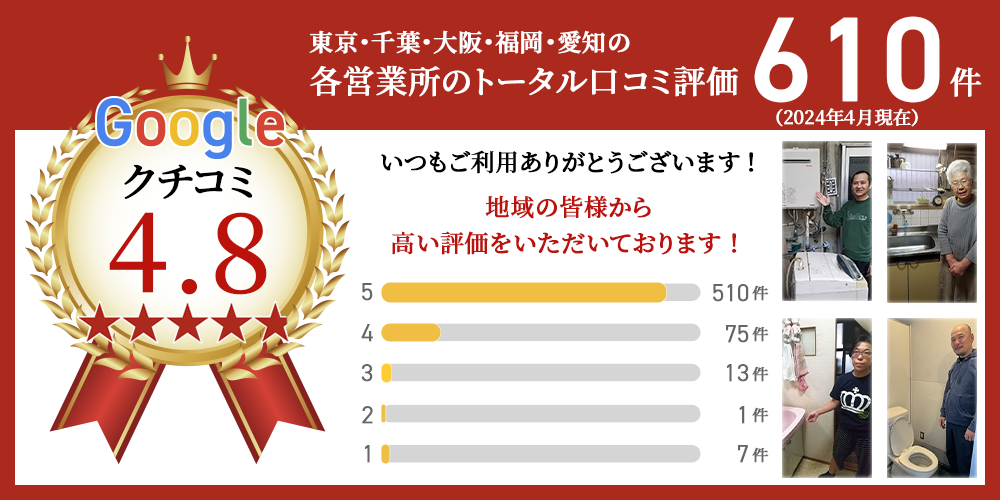
八尾市のお客様の口コミ・評判
トイレのつまり修理(八尾市南本町 E様の口コミ)
 八尾市で2階建ての一戸建てに住んでいます。今回は2階ののトイレがつまったので、業者さんに依頼しました。
なぜ詰まったのが、原因ははっきりしないのですが、突然流れなくなって溢れそうになったので、急いで八尾市内の修理業者を検索して探しました。
原因を探ってもらったのですが、便器の手前ではなく奥の方で何かがつまっている感じがするとのことでした。そこでポンプのようなもので一気に圧をかける処理をしてもらいました。
無事にそれでトイレも流れるようになり一件落着です。料金もお手頃でしたので、本当に良かったです。
トイレの配管つまりで部品交換(八尾市安中町 A様の口コミ)
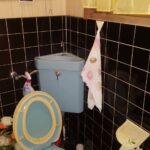 夜に一度トイレの水が流れにくくなったのですが、何度が試すうちに流れてくれたので、そのままにしていました。
そして次の朝再び水を流してみるとやっぱりつまっている感じがしたので、スマホで八尾市にあるつまり修理の専門業者を探しました。
いろいろあるなかでも、早く来てくれそうだったのと、料金がわかりやすかったので、こちらに依頼することに決めました。
来ていただいて原因を調査してもらったところ、外側の配管がつまっているとのことでした。すぐに修理してもらい、流れもスムーズになりました。
テキパキと作業されてさすがはプロだなと感心しました。
キッチンの排水溝つまり(八尾市東山本町 U様の口コミ)
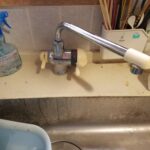 ある日キッチンの排水が流れなくなって困ったので、八尾市にある水道修理屋さんに依頼の電話をかけました。
夕飯の準備前で急いでいたのですが、先に電話した業者は対応が明日になるということでした。そして2番目にかけたところはすぐに来てくれるということだったので、そちらにお願いすることにしました。
状況を見てもらって見積もりをしてもらったのですが、おそらく外の排水管あたりでつまりが発生しているとのこと。確認させてもらうと、油の塊のようなものがたくさん詰まっておりこれでは水が流れなくて当然だなと思いました。
修理をしてもらったあとはスムーズに水も流れて、夕飯の準備にも間に合いました。このたびはありがとうございました。
洗濯機の排水溝つまり(八尾市山本町南 Y様の口コミ)
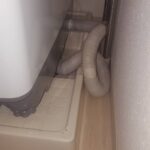 洗濯機の排水部分が詰まった感じで水が溢れているのに気づき、あわてて業者さんを探しました。スマホでいくつか見てから、いちばんわかりやすくて、料金も安そうだった近畿水道サポートセンターさんに歩願いをしました。
作業の様子を一緒に見せてもらったのですが、洗濯機の排水ホースを外して排水口を見ると、ゴミや糸くずなどがギッシリ詰まっている感じで、とても汚れているのがわかりました。
対応してくれたスタッフの方は、嫌な顔一つせず、それらをしっかり取り除いてくれました。おかげで水の流れもスムーズになりました。
はじめてのことでとまどいましたが、丁寧に対応してもらえて心強かったです。料金も思っていたより安かったので安心しました。ありがとうございました。
お申込み~修理までの流れ
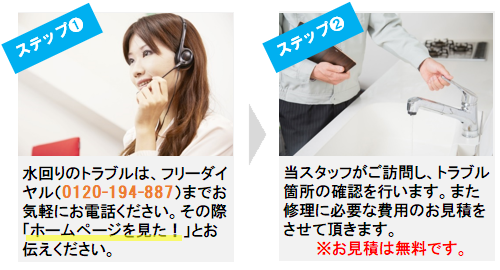
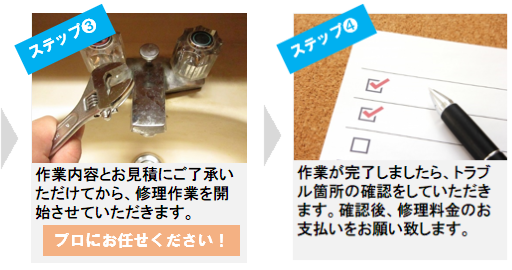
八尾市のトイレつまり修理なら、お申込みから作業完了のお支払いまで簡単4ステップ!まずはフリーダイヤルまでお気軽にお電話ください。経験豊富な八尾市の近畿水道サポートセンター担当スタッフがご自宅までお伺いいたします。
取扱メーカー一覧
